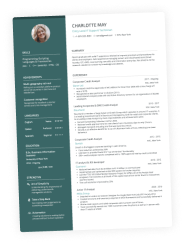
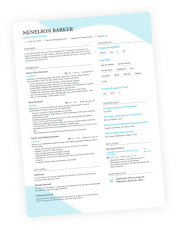
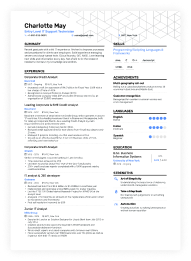
Modern hiring is facing a crisis of evidence. As infinite, automated optimization becomes the default, the genuine signal of human talent is being buried under the noise.
According to The New York Times, LinkedIn now clocks 11,000 applications per minute—a 45% surge driven by generative AI. When a single remote role attracts over a thousand candidates in days, job seekers naturally fight fire with fire.
They:
- Mass-apply to more positions to hedge their bets against automated filters.
- Use "jailbreak" phrases or hidden instructions within their resumes to bypass AI screeners.
- Turn to white-texting—filling margins with invisible, high-ranking keywords that only the machine can see.
But in 2026, using an LLM to pass the machine screen has created a new, high-stakes anxiety:
How do recruiters tell if your resume is AI-generated?
As automation floods the gates, hiring teams have pivoted to forensic evaluation. They aren't just looking for keywords anymore. According to the Greenhouse 2026 AI in Hiring Report, a staggering 91% of U.S. hiring managers have caught or suspected AI-driven candidate misrepresentation.
When "perfect" resumes feel like prompt-engineered illusions, recruiters stop looking for the best talent and start looking for the few things they can verify. They need human-proof signals.
At Enhancv, we’ve watched this trust gap widen from the front lines. As a resume builder, our focus is to help candidates prove their history in a space of high skepticism.
In this article, we’ll break down the techniques hiring teams use to tell if your resume was written with AI and show you how to build a document with the verifiable depth that recruiters can’t ignore.

7 signs a resume was written with AI
- Predictable sentence rhythm: A robotic, repetitive cadence where every bullet point follows a repetitive formula without any narrative variation.
- Abstract adjective bloat: The heavy use of filler words like spearheaded, orchestrated, or transformative that mask a lack of specific, lived-in detail.
- Missing contextual anchors: Achievements that claim "significant growth" or "enhanced efficiency" but fail to name the specific software versions, internal project titles, or niche obstacles involved.
- Perfect job ad-resume alignment: A summary or skills section that perfectly mimics the job description’s keywords while adding zero original information about how you actually did the work.
- Linguistic mismatches: A jarring shift in tone between a highly polished, formal resume and a LinkedIn profile or cover letter that lacks the same voice and depth.
- Hallucinated consistency: A career history that appears suspiciously flawless, with AI-smoothed employment gaps and a linear upward trajectory.
- High-velocity submission signals: A set of highly tailored applications submitted in such quick succession that it becomes mathematically impossible for a human to have performed the research and editing manually.
Signs and red flags of an AI-generated resume
In 2026, AI detection has evolved beyond the clunky software plugin trying to guess if a robot wrote your summary. HR staff are now looking for instances where a resume reads like a Senior VP’s masterpiece, but the candidate’s digital footprint or behavioral data suggests otherwise.
Here’s how a Redditor put it:
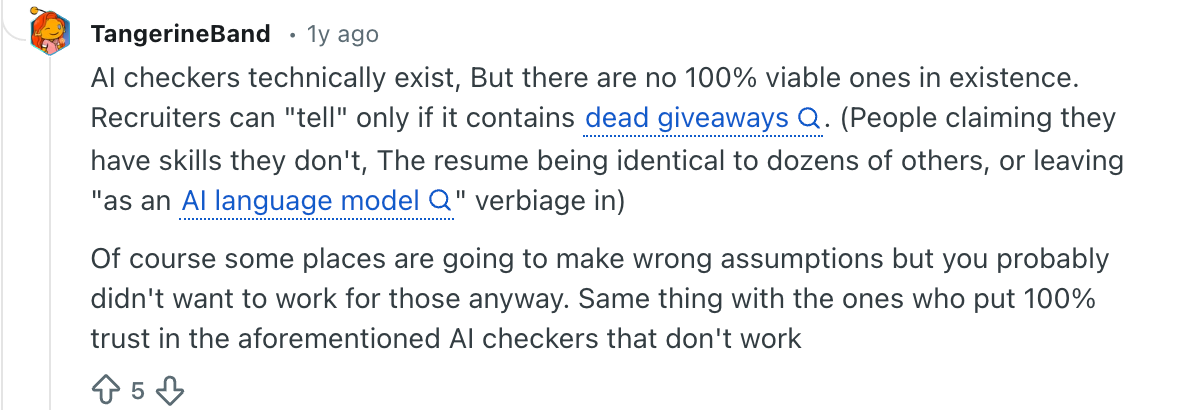
To survive the initial sweep, however, you have to understand the silent detectors that flag you before a human even sees your name.
Application speed
While a candidate can use ChatGPT to improve their resume, they rarely think to hide the timestamp of their behavior. Some modern hiring software can now track your application velocity—the speed and volume at which you submit your resumes.
According to Cole Sperry from OptimCareers, there’s a staggering quality tax on high-volume applications:
- Candidates who submit their first 10 "thoughtful" applications enjoy a 4% interview rate.
- Once a candidate crosses the threshold of 50+ applications in a single session—a move typical of AI-automated spraying—the interview rate plummets to just 0.2%.
Software now uses this logic to auto-filter. If you apply to five roles in ten minutes with five super-tailored resumes, the system flags the behavior as mathematically impossible for a human. It assumes a bot is doing the work, and your resume doesn’t get to a human review.
LinkedIn cross-check
Recruiters often use LinkedIn’s ecosystem to cross-reference AI-generated content against real-world data.
Here’s how they bridge the gap:
- High-level AI-speak on a resume triggers a manual check of the candidate’s activity. A sophisticated resume paired with a "ghost" profile—no photo, low connections, and zero peer recommendations—is a massive red flag for fabrication.
- AI often smoothes over employment gaps to create a perfect narrative. Recruiters quickly spot any inconsistencies by comparing resume dates against the candidate’s live profile timeline.
- Modern applicant tracking systems (ATS) like Workday or Greenhouse store every version of a resume you’ve ever submitted. A sudden shift from a simple, human tone to a keyword-heavy AI pivot creates a digital paper trail of over-optimization.
- With the rise of Verified credentials, recruiters now prioritize Verifiedbadges on education and workplace history. If AI-produced fluff on a resume contradicts these verified records, the resume loses all credibility.
- LinkedIn’s algorithms automatically extract skills from your resume and flag discrepancies if they aren't mirrored on your profile. Since 2022, there’s been a 140% increase in members adding skills to their profiles, making this match the ultimate gatekeeper.
LinkedIn does a skills match and says, 'This candidate has three of seven skills.' And so, when I'm looking at applicants, I'll sort them by the number of matches, looking at those that have the most matches to the skills that we're looking for.
Vickie Marandina, director of human resources
Linguistic red flags on an AI-generated resume
This is the most critical signal hiring staff recognize today, largely because they use AI in their own workflows daily. They know the "voice" of an LLM as well as you do.
You might ask: "If you’re an AI resume builder, why should we trust you to tell us this?"
It’s exactly because we know the technology so well that we focus on education over automation. If a great resume was just about clicking "Generate," you wouldn't need a specialized builder at all—you’d just use a generic chatbot.
Now, look at what hiring managers are scanning for:
How recruiters spot an AI resume
| Pattern | What AI does | What a human does |
|---|---|---|
| Sentence leads | Every bullet starts with a power verb (e.g., Spearheaded, Orchestrated). | Mixes verbs with contextual leads (e.g., "In response to..." or "By auditing..."). |
| Structure and rhythm | Every sentence follows the same length and "Action + Result" template. | Uses varied cadence—mixing short, punchy results with longer, narrative descriptions. |
| Contextual anchors | Claims "significant growth" without naming the specific tool or obstacle. | Names the details, like specific software versions or regional hubs. |
| Word choice | Relies on "filler" adjectives like visionary, passionate, or results-driven. | Uses specific nouns and internal project names to describe the work. |
| Claims inflation | Describes the importance of the role in a formal, whitepaper voice. | Focuses on the lived-in impact and the "why" behind the decisions. |
Below is a list of the biggest AI cliches found on resumes:

AI vocabulary: 20 buzzwords you don’t need on a resume
- Spearheaded: The absolute favorite verb of every major LLM.
- Orchestrated: Used by AI to describe any coordination, no matter how small.
- Leveraged: A classic filler verb that masks a lack of specific technical detail.
- Synergy/Synergistic: The hallmark of 2000s corporate-speak that AI hasn't let go of.
- Foster: AI loves to "foster innovation" or "foster collaboration."
- Transformative: An over-the-top adjective for routine process improvements.
- Deepdive: Often used when the AI is trying to sound analytical.
- Vibrant: Frequently used to describe "vibrant company cultures" in summaries.
- Results-oriented professional: The most common, generic opening line in history.
- Game-changer: High-inflation language that rarely has data to back it up.
- Driven by a passion for.../ Passionate: AI defaults to "passion" when it doesn't have a specific career goal to cite.
- Seamlessly: As in "seamlessly integrated" or "seamlessly transitioned."
- Cutting-edge: A dated term that AI uses for almost any technology.
- Dynamic: Usually paired with "environment" or "leader."
- Empower: Used vaguely to describe management or software implementation.
- Strategic visionary: A massive claim that usually rings hollow without a C-suite title.
- Multifaceted: AI’s favorite way to say you have more than one skill.
- Unwavering commitment: Emotional filler that adds zero value to a professional scan.
- Thought leader: Unless you are a published expert, this is a major bot signal.
- At the intersection of…: The go-to AI phrase for explaining a multi-disciplinary background (e.g., "at the intersection of data and design").
Remember that none of these phrases are banned. Used sporadically, a word like “orchestrated” or “engineered” is harmless.
However, AI tends to lean on these as crutches. If you repeat them twice, they transform from standard verbs into a recruiter’s primary pet peeve—signaling a lack of original thought and overreliance on prompts.
If your resume survives the digital filters and the linguistic audit, you enter the final and most rigorous stage of 2026 recruiting—verifying your humanity.
Identity verification
As AI-generated deepfakes and synthetic personas flood the market, hiring has now turned into a security checkpoint.
Gartner predicts that one in four job applicants will be fabricated by 2028 due to AI-driven misrepresentation. These are ghost candidates using AI to pass initial screenings and even remote interviews.
To combat this, recruiters have officially increased their background and identity verification steps. High-tier ATS now integrate services like CLEAR® directly into the workflow. So, if you’re applying to a major firm, you may be prompted to verify your identity via a government ID or a biometric check before the first interview.
In this zero-trust environment, a spotless resume is a liability. When every applicant can generate a flawless PDF in seconds, polish triggers scrutiny.
The most successful candidates right now aren't the Luddites avoiding AI, nor are they the power users automating their entire job search into a mindless script. They’re the ones using AI to amplify their messy, granular, human reality.
If your resume feels like a prompt-engineered illusion, it’ll trip the alarms we’ve discussed. But if you use AI to provide the structural backbone while you layer in the specific details that no LLM could possibly invent, you cease to be a statistical probability and become a person.
The pivot in recruiting hasn't made AI illegal—it’s simply made authenticity the most valuable currency on the market.
Author’s take
What to do if your resume looks written by AI
If you think your current resume can provoke suspicion from HR managers, you’ll need to perform a manual human sync on your data.
Whether you’re using a dedicated builder or just copy-pasting from a ChatGPT prompt, the result is often a sterilized version of your career. It hits the keywords but lacks the grit of a real job.
Here’s how you put the human back into the document.
Use specifics over synonyms
AI loves action verbs like “spearheaded” and “leveraged,” but it’s terrible at naming the actual tools or weird obstacles you dealt with on a Tuesday.
Recruiters look for the specific tools and niche obstacles that a general AI model wouldn't know to include. To them, a sentence like "Optimized supply chain efficiency" sounds like a bot. A sentence like "Fixed the 48-hour lag in our Shopify-to-ERP sync" sounds more like a person who really did the work.
Check your bullet points again. If you can swap your job title for another and the sentence still works, it’s too generic.
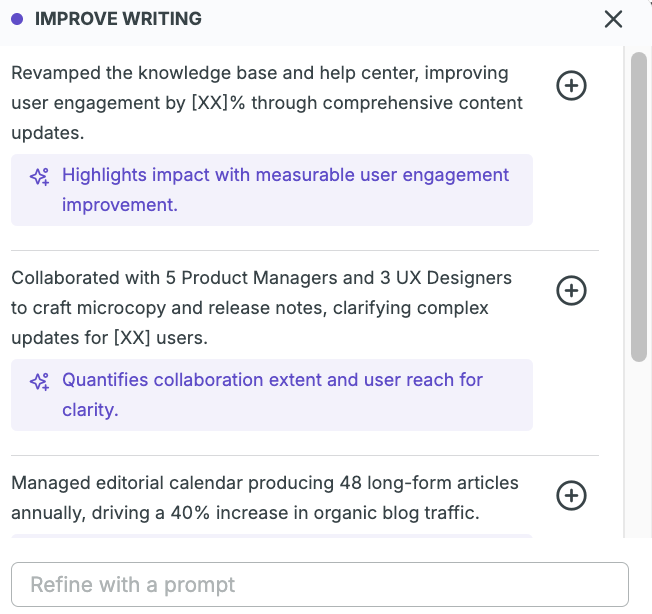
When Enhancv’s AI generates a bullet point, look for the placeholders. If it gives you a vague result, manually overwrite it with the exact software versions, internal project names, or niche obstacles you faced.
Here’s what this looks like in the app:
Avoid the action-result monotony
If every single bullet point follows the adjective + task + percentage formula, it looks like a template. It produces summaries that sound like a LinkedIn marketing brochure. To break this, use your summary to address the specific environment you work in.
- AI template: "Innovative Marketing Manager with 10+ years of experience in driving $2M in annual revenue through strategic digital campaigns."
- Human signal: "Ten years in performance marketing, specifically navigating the shift from third-party cookies to privacy-first attribution. Career built on fixing broken lead-gen funnels for SaaS startups where the CAC was outperforming the LTV."
The second version uses insider terms (CAC, LTV, attribution shifts) that show you understand the actual headaches of the job. This creates a cause-and-effect narrative that’s much harder for an LLM to replicate convincingly.
Consider adding a unique section
If you’re using a builder, don't focus all your attention on the experience section. Instead, try to use sections that require personal context: A Day in My Life, Books That Shaped Me, or even a Personal Philosophy blurb.
Like this resume made with Enhancv:
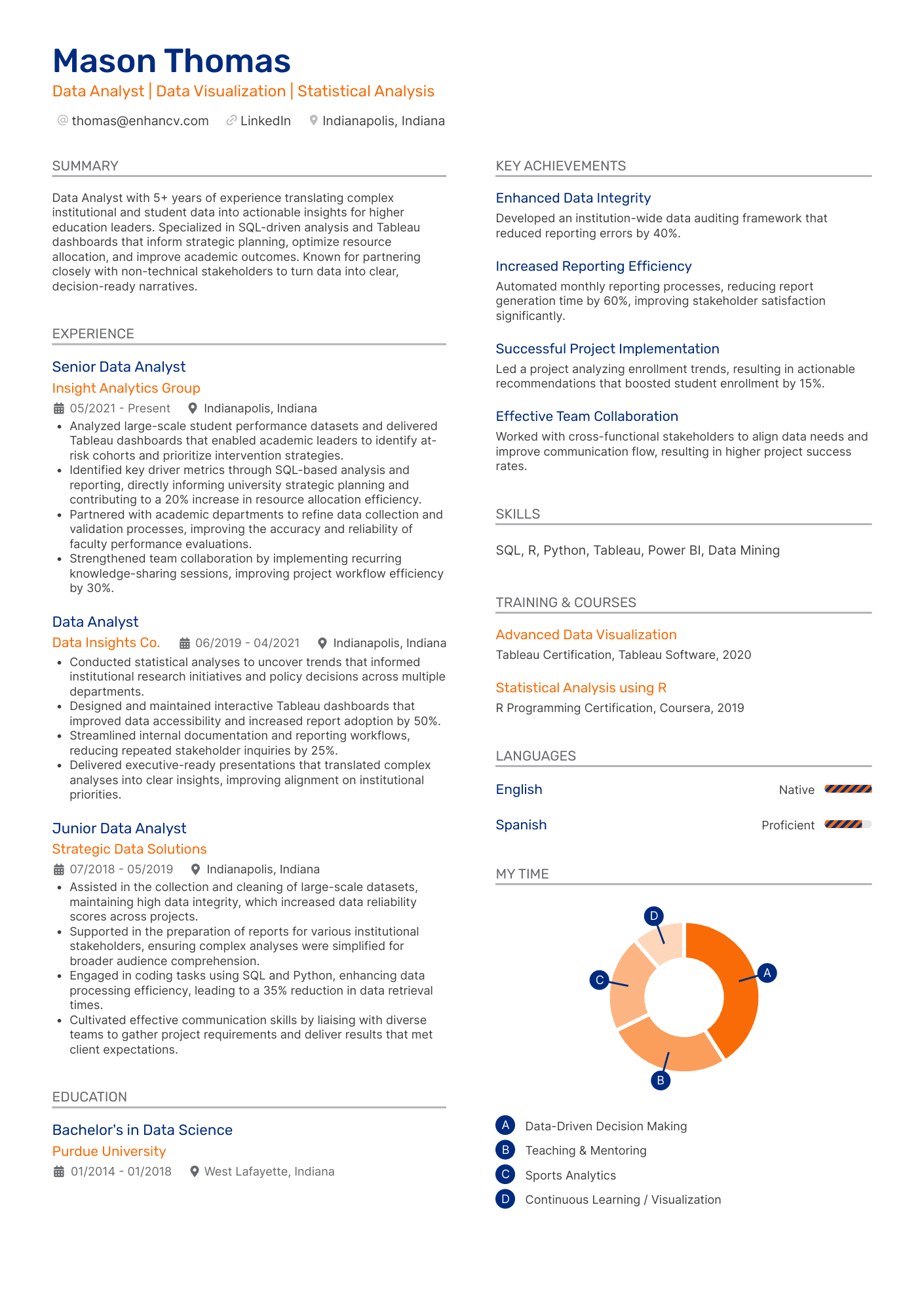
If you’re just creating a resume on a Word doc, add a Technical Environment list or a Volunteer Interests section that feels lived-in. These sections act as an anchor—they give the recruiter a reason to trust the rest of your data because they can finally see a 3D human behind the 2D PDF.
Format with intent
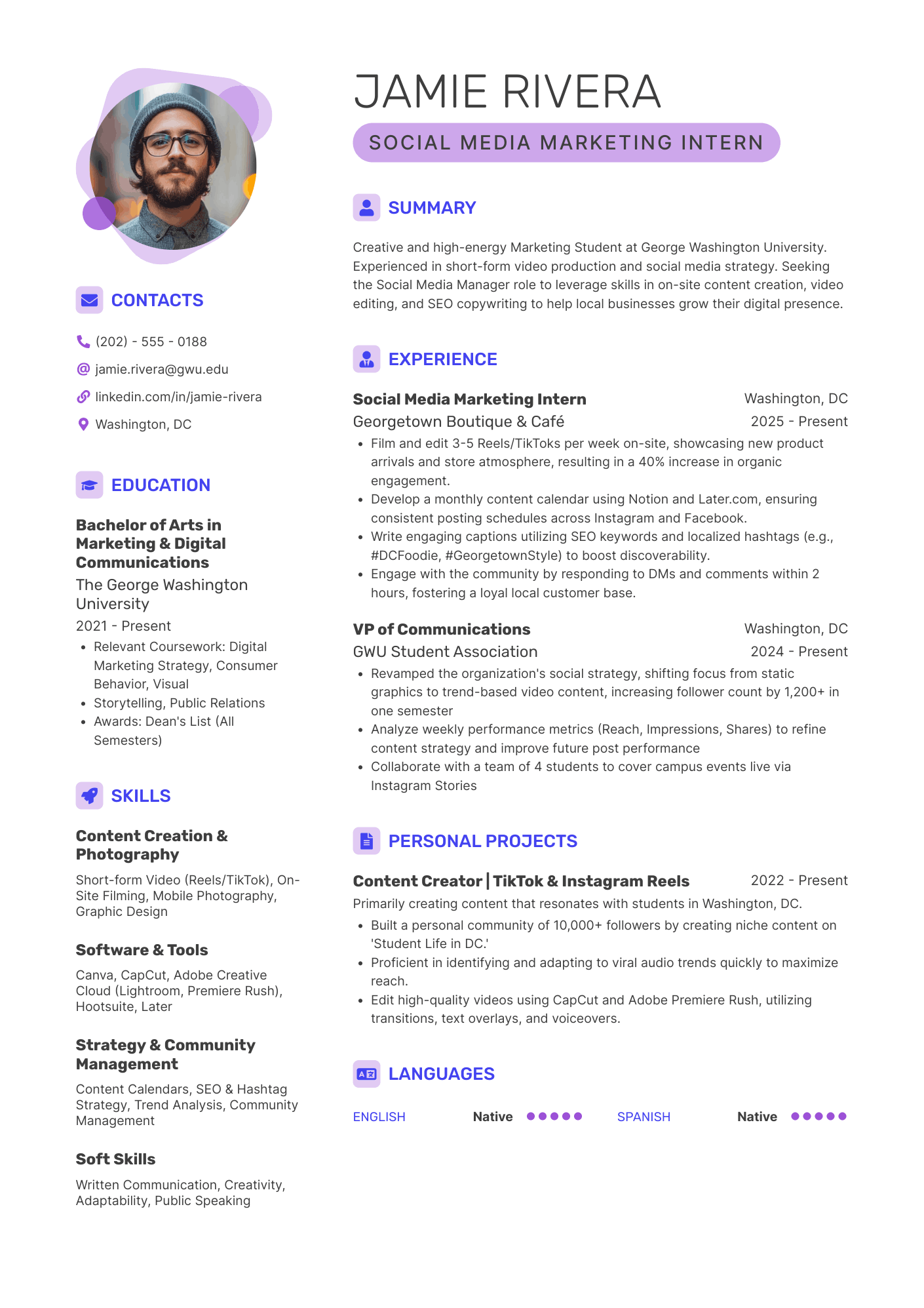
Recruiters in 2026 are visually exhausted. They’ve seen the same AI-default layout a thousand times this morning. To humanize your resume, you need to format it with the intentionality of a professional designer.
Prioritize readability
AI tends to produce walls of text because it’s optimizing for keyword density, not readability. A human-built resume uses white space as a tool. If your experience section looks like a dense block of 10-point Calibri, you’ve already lost the recruiter.
Go for a modern, high-legibility font (like Arial, Rubik, or Lato) and create clear visual breaks between roles. When a recruiter sees a layout that prioritizes their F-pattern scanning habits, they subconsciously trust the content more because it shows you actually thought about the reader.
Avoid the modular look
One of the biggest tells of a copy-pasted AI resume is the disjointed, modular feel. The summary sounds like a CEO, the bullet points sound like an intern, and the skills section is a disorganized pile of 50 keywords.
A human-driven resume has a narrative thread. Ensure your formatting reflects your seniority. If you’re a senior lead, your experience section should take up the most real estate, with a smaller, highly curated skills sidebar. If you’re a career changer, your transferable skills should be front and center.
A one-size-fits-all layout is a machine signal. A custom layout is a human one. Resume builders like Enhancv offer recruiter-approved, ATS-ready templates you can choose from and personalize to your liking.

PRO TIP
Don’t believe us? Read about our experiment with the world’s largest job board and how successfully Enhancv’s resumes were parsed.
Be careful with bold text and em-dashes
AI doesn’t know what’s important in your career, so it tends to bold random parts of the text—like dollar amounts or specific keywords it pulled from the job ad—to look impressive. Recruiters have caught on.
To avoid the bot look, keep your bolding strictly for section headings.
The same goes for the excessive use of em-dashes (—). While both humans and AI use these elements, their oversaturation has become a hallmark of AI-generated prose.
What matters most for your resume and cover letter is consistency. If your formatting is erratic, it suggests a copy-paste job.
I'm seeing a big uptick in the exact same format that I know is coming from ChatGPT. It's the five key things—each one has a bolded theme and then something in there. I know it. I use ChatGPT all the time, so I can see it. And I'm like, okay, I love ChatGPT—not hating on you for using it—but give it that human eye. Give it that once-over. Make sure what you're putting is accurate.
Kasandra Valle, talent acquisition manager
Spend more time tailoring
Most candidates are terrified of being caught by a detector, but the bigger risk is simply being dismissed for irrelevance.
As a recruiter on Reddit once put it:
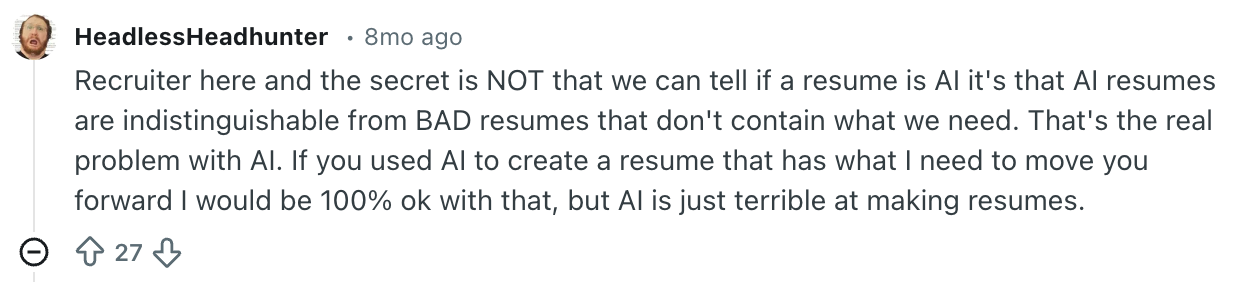
When you let an LLM tailor your resume to a job description, it often does so by stripping away your unique career history and replacing it with a mirror image of the job ad. This creates the bad resume loop the recruiter is talking about. The document hits every keyword but explains nothing about how you actually did the work.
To the person behind the screen, a resume that perfectly matches every bullet point of a job description without adding any new information feels like a hollow shell. It’s too tailored to the point of being suspicious.
If you're using an AI resume builder, it’s a risky business to just hit "Generate" and walk away. A truly effective resume tool should be able to suggest which of your skills align best with the role or flag where your experience might be thin. You, the human, must make the final decision on which details to keep and which to cut.
To help bridge the gap between machine-suggested and human-verified, here’s how you should handle the final manual pass:
Manual tailoring best practices
- Check for the “mirror” effect: If your resume summary uses the exact same three adjectives as the job description, change them. A bot mirrors, a human interprets. Use synonyms that reflect your specific professional voice while keeping the core skill intact.
- Prioritize the top third: AI often treats every job requirement with equal importance. You know that for this specific role, budget management is 80% of the job. Manually move your most relevant fiscal achievement to the very first bullet point of your most recent role.
- Add the contextual why: When a builder suggests adding a skill like strategic planning, don't just list it. Add a sub-clause that explains the stakes: "Strategic planning for a $2M department pivot during the 2024 merger." That extra bit of grit is something an LLM can't invent.
- Avoid adjective bloat: AI loves to add "successful," "expert," and "dedicated" to every sentence to make it sound professional. Delete them. Let your hard numbers and specific project names provide the authority.
- Remove the zero-value filter: Scan for any statements the AI added that don't directly answer a requirement in the job ad. If it’s just filler to make the page look full, cut it. A shorter, high-impact resume is always better than a long, automated one.
There’s one more step before your job of humanizing your resume is done—a final read.
Read your resume aloud
AI’s writing is formal, polished, and boring by default. No one really says they’re a "visionary leader with a passion for synergistic solutions" over coffee.
So, read your resume out loud. If you find yourself cringing or running out of breath because the sentence is a 40-word mountain of adjectives, cut it. Try to use the keywords of your specific niche.
For example, if you’re a developer, talk about the specific library version that gave you a headache. If you’re in HR, mention the specific compliance hurdle that almost killed a project. These unpolished details are actually your strongest credibility signals.
Why authenticity still matters in a job search
In this day and age, we’ve all become hyper-aware of being monitored, manipulated, or tricked. We screen our calls, we squint at deepfake videos, and we treat every LinkedIn post with a grain of salt. Recruiters are no different. They’re humans in the same high-anxiety environment, and they’re desperately looking for a reason to trust you.
AI sees your career as a series of disconnected data points, while a human recruiter looks for a trajectory. When your resume lacks a clear explanation of why you moved from point A to point B, it looks like a series of disconnected prompts.
Machine: Listing a sales job followed by a product management job with zero explanation.
Human: Adding a one-sentence bridge in your summary or experience section: "After three years in sales identifying core user frustrations, I pivoted to product management to build the specific features our customers were asking for."
That "why" is the ultimate proof of life. It’s the one thing an LLM can’t hallucinate because it hasn’t lived your life. Connect the dots of your own narrative. Stop being a statistical probability, and start being a person they actually want to meet.
Frequently asked questions on AI-generated resumes
Here are the most common questions candidates are asking about AI-driven job applications.
Why do candidates use AI for their resumes?
It’s easy to point fingers at "lazy" applicants, but the reality of recruiting nowadays is a survival game. Job seekers aren't using AI because they don't want to work. They're resorting to it because the barrier to entry has become mathematically impossible for a human to overcome alone.
Here are the main reasons for choosing to write a resume with AI:
- Fear of mirage listings: With ghost jobs and outdated listings cluttering boards, seekers use AI to bypass the emotional tax of manual tailoring for roles that might not even exist.
- Saving time: When you know a human might only glance at your life’s work for six seconds—if it even passes the ATS—spending three hours hand-crafting a single cover letter feels like a bad investment.
- Keyword optimization: There’s a persistent myth that 75% of resumes are rejected by the ATS. While Enhancv’s research proved that 92% of recruiters do NOT use auto-rejection for formatting or keywords, the fear remains. Candidates use AI to "speak the machine's language," hoping to climb to the top of the pile.
The irony? By trying to beat the machine, many candidates have accidentally made themselves invisible to the people doing the hiring.
When a recruiter is staring down a pile of 2,000 "flawless" applications, they stop looking for reasons to hire you and start looking for reasons to disqualify you.
Does my seniority level change how I should use AI?
Yes, and the red flags are different for each.
For juniors: Avoid competency inflation
AI defaults to high-level leadership language. It will try to make your internship sound like a C-suite role by using words like “orchestrated” or “strategized”. Recruiters expect junior applicants to use doing words (“assisted,” “built,” “executed”). If an entry-level resume sounds like a Harvard Business Review article, it’s an immediate bot flag.
Ask AI to generate a list of tasks common to your role, then manually rewrite them using "learning" or "supporting" verbs. Tell the AI, "Write these bullet points using humble, action-oriented language that emphasizes my contribution to a larger team."
For seniors: Avoid history sanitization
AI tends to smooth over the messy parts of a long career—pivots, layoffs, or lateral moves—into a sterile, linear narrative. HR professionals are specifically looking for the difficult decisions you made and the risks you took. If your 20-year career looks like a perfect upward line, you lose credibility.
Use AI to summarize the scope of your legacy roles, but manually write the contextual “why" for every major pivot. Tell the AI, "Identify the core business challenges in these job descriptions so I can manually explain how I solved them."
Can I use AI to write my cover letter if I manually wrote my resume?
This is a high-risk move. If your resume has a human voice (specific jargon, varied sentence lengths), but your cover letter is an ultra-polished, five-paragraph AI piece, the linguistic mismatch can be jarring.
There has to be a voice sync between the two. You can use AI for the cover letter, but keep it for the structure only, then manually rewrite the intro and the closing to ensure the tone matches the grit of your resume.
Drop your resume here or choose a file.
PDF & DOCX only. Max 2MB file size.
If ATS systems don’t auto-reject for formatting, why does everyone say I need an ATS-optimized template?
The "optimization" you hear about isn’t about passing a mythical robot test—it’s about parsing reliability. While most modern systems won't automatically reject you for using a creative font or a unique layout, they can—and often do—fail to read that data correctly.
When an ATS scrapes a resume into a recruiter's database, it's looking for specific patterns. If you use a highly decorative font or complex graphics that the software doesn't recognize, your profile might end up looking like a scrambled mess of broken characters.
ATS-ready templates from builders like Enhancv follow established parsing standards and safe design choices. They aren't meant to trick a machine but to ensure your data migrates from your PDF to the recruiter’s screen accurately.
Is perfect grammar a red flag now?
Sadly, in the era of LLMs, flawless grammar can actually trigger suspicion. AI writing is grammatically perfect but emotionally hollow. A human resume might have a slightly unconventional (but clear) way of describing a project or a specific industry shorthand that a spell-checker might flag.
Don't be afraid of a lived-in tone. If you scrub away every ounce of personality to achieve "perfect" grammar, you’re just making yourself look like a ChatGPT response.
Still, if you want to make sure your resume is recruiter-ready, run it through our Resume Checker. It’ll give you a good idea of how hiring managers will look at resumes.
Is your resume good enough?
Drop your resume here or choose a file. PDF & DOCX only. Max 2MB file size.
Should I use AI to write my resume?
This brings us to the core of the modern job search: AI is a CO-pilot, not the pilot. Whether you use a builder like Enhancv to provide the structural backbone or an LLM to help you brainstorm your bullet points, the final human touch is non-negotiable.
Some candidates prefer to get the initial structure from AI and manually tailor it later. Others write a raw human draft and ask the AI to polish the grammar.
Whatever your process, don't rely on AI to do the actual work of representing your career. In a hiring landscape defined by zero trust and multi-level evaluation, a document that lacks your specific tone and style will almost always backfire.
Conclusion
The evolution of recruitment has brought us to a strange paradox: the more we use technology to appear perfect, the more we trigger the suspicion of the people we’re trying to impress.
In a market saturated with fake personas and prompt-engineered bullet points, your greatest competitive advantage isn't your ability to pass an algorithm.
It’s your ability to prove you exist.
A successful resume today is a hybrid. It uses the structural integrity of a professional builder to ensure it’s seen, but it relies on your unique, unpolished details to ensure it’s believed.
To move beyond the AI facade, anchor your achievements in a specific context and manually connect the dots of your career trajectory. This approach transforms you from a statistical probability into a verifiable human—someone with the lived-in experience and intent that no machine can simulate.
Make one that's truly you.