



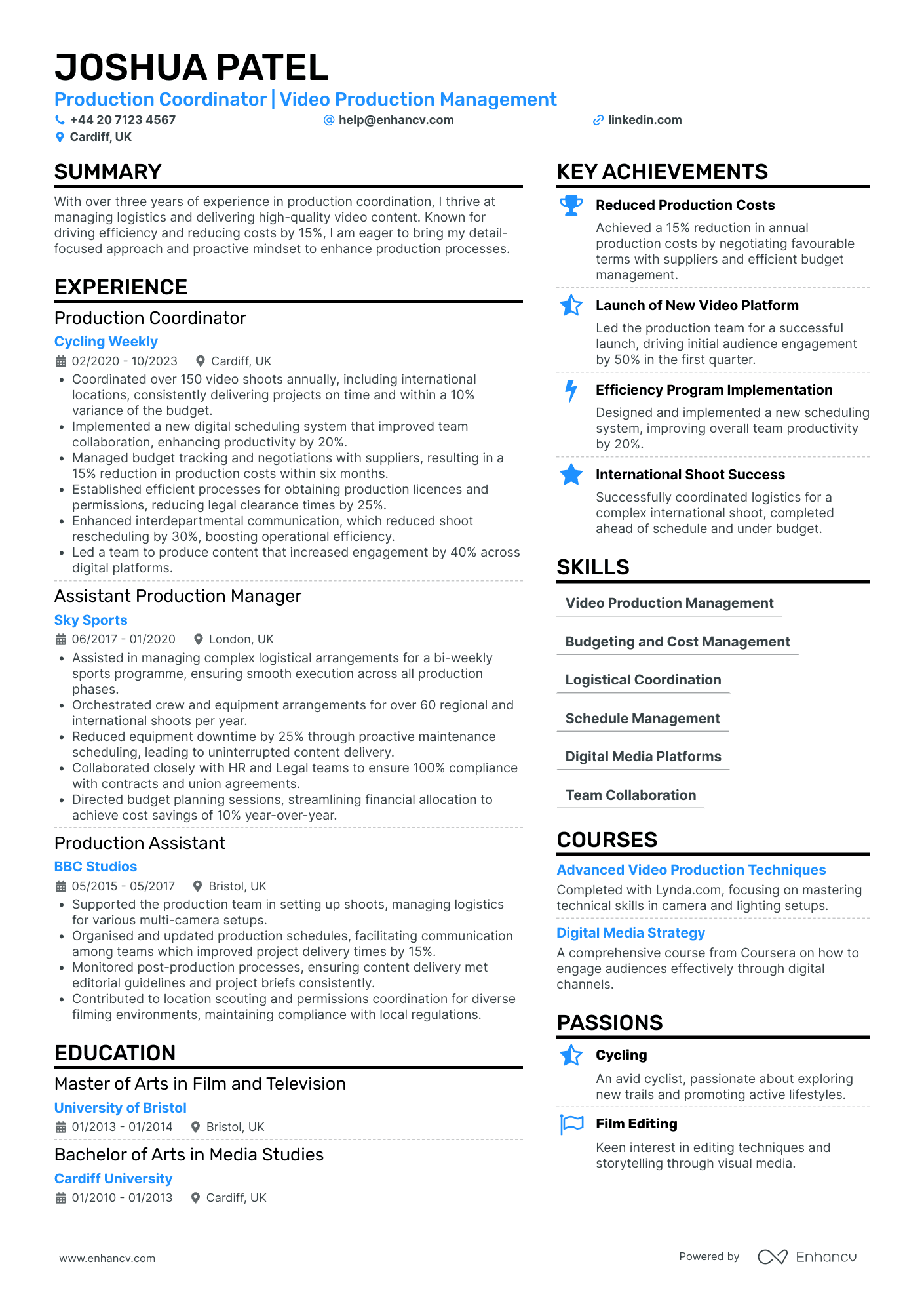
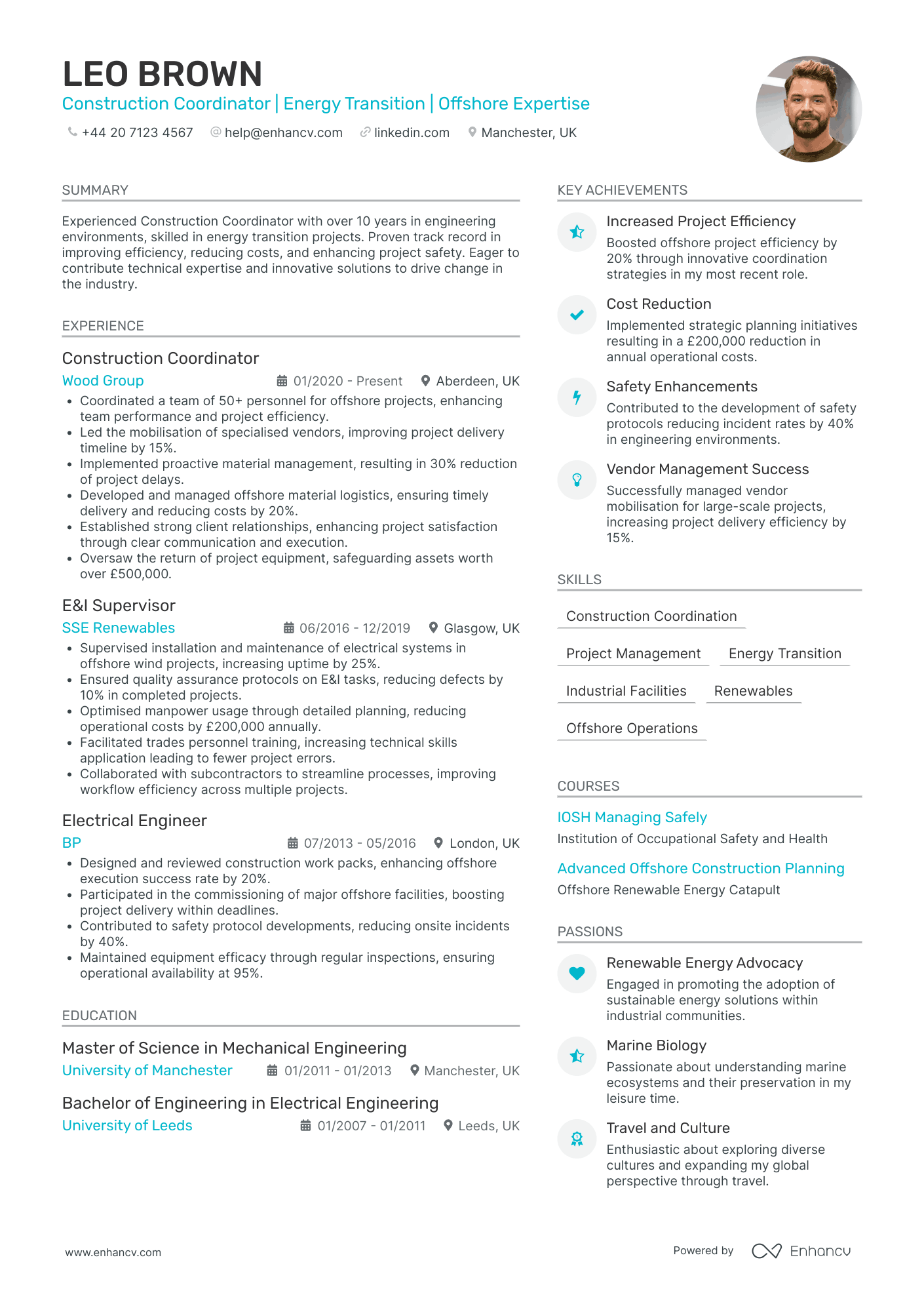
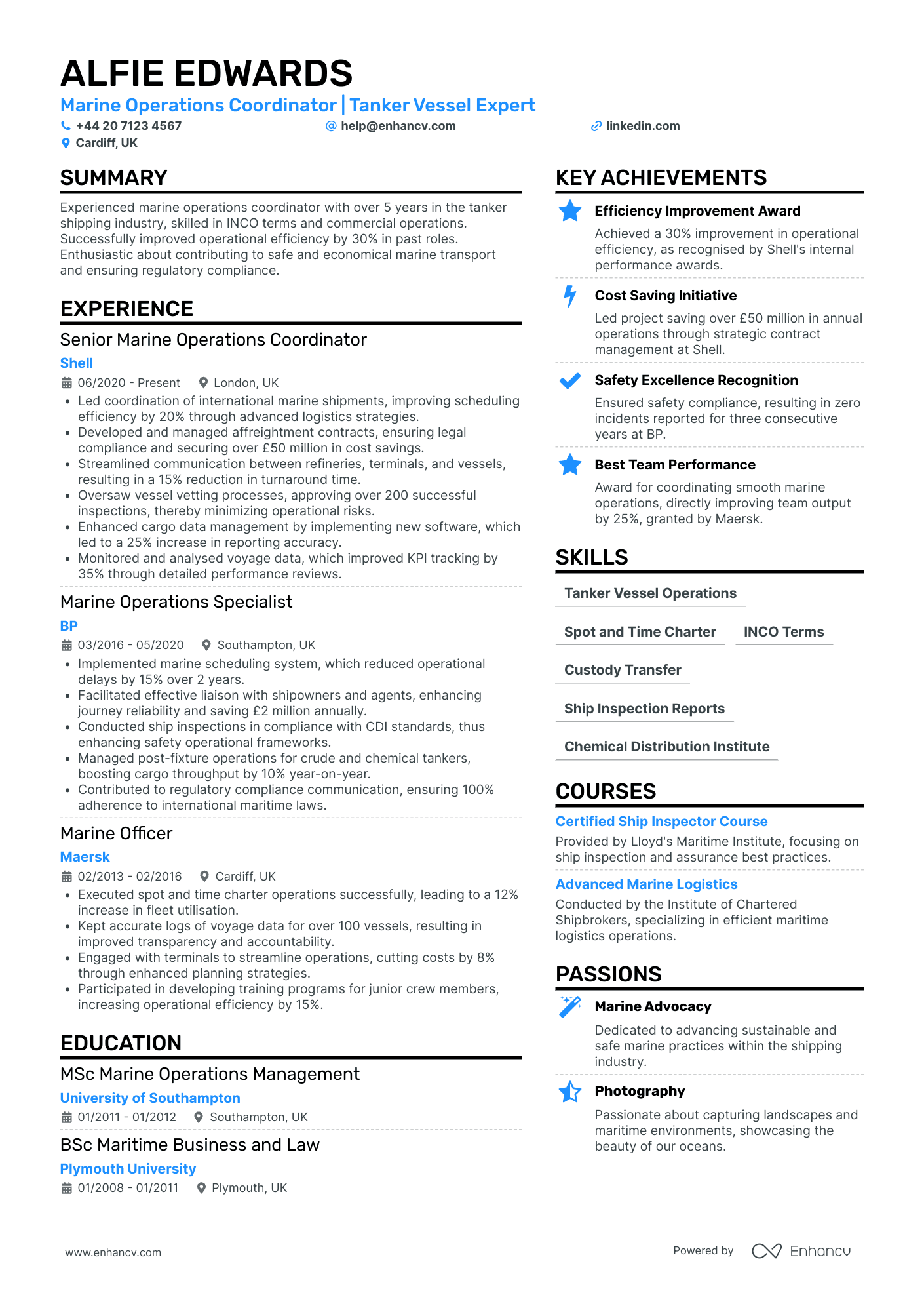
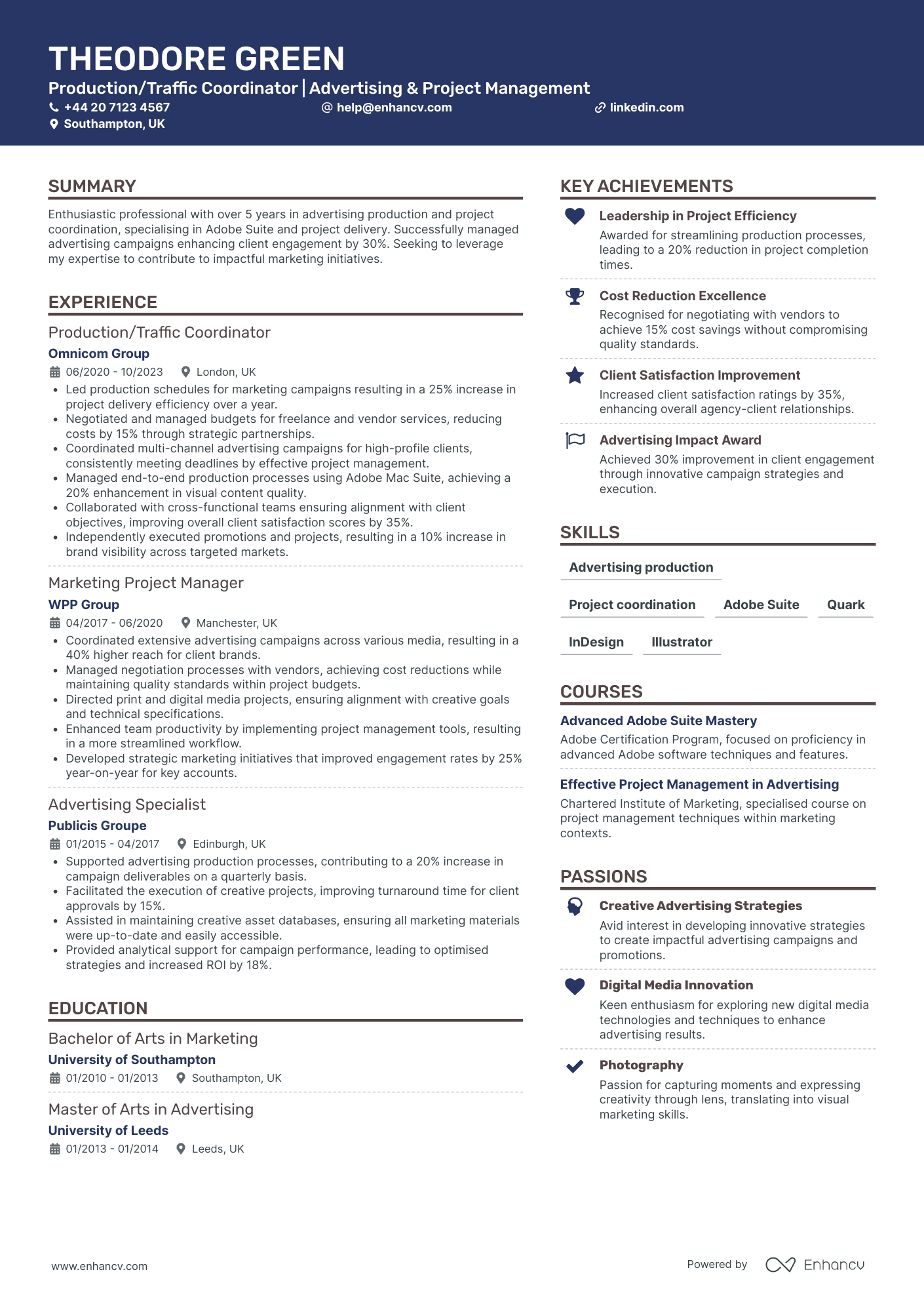
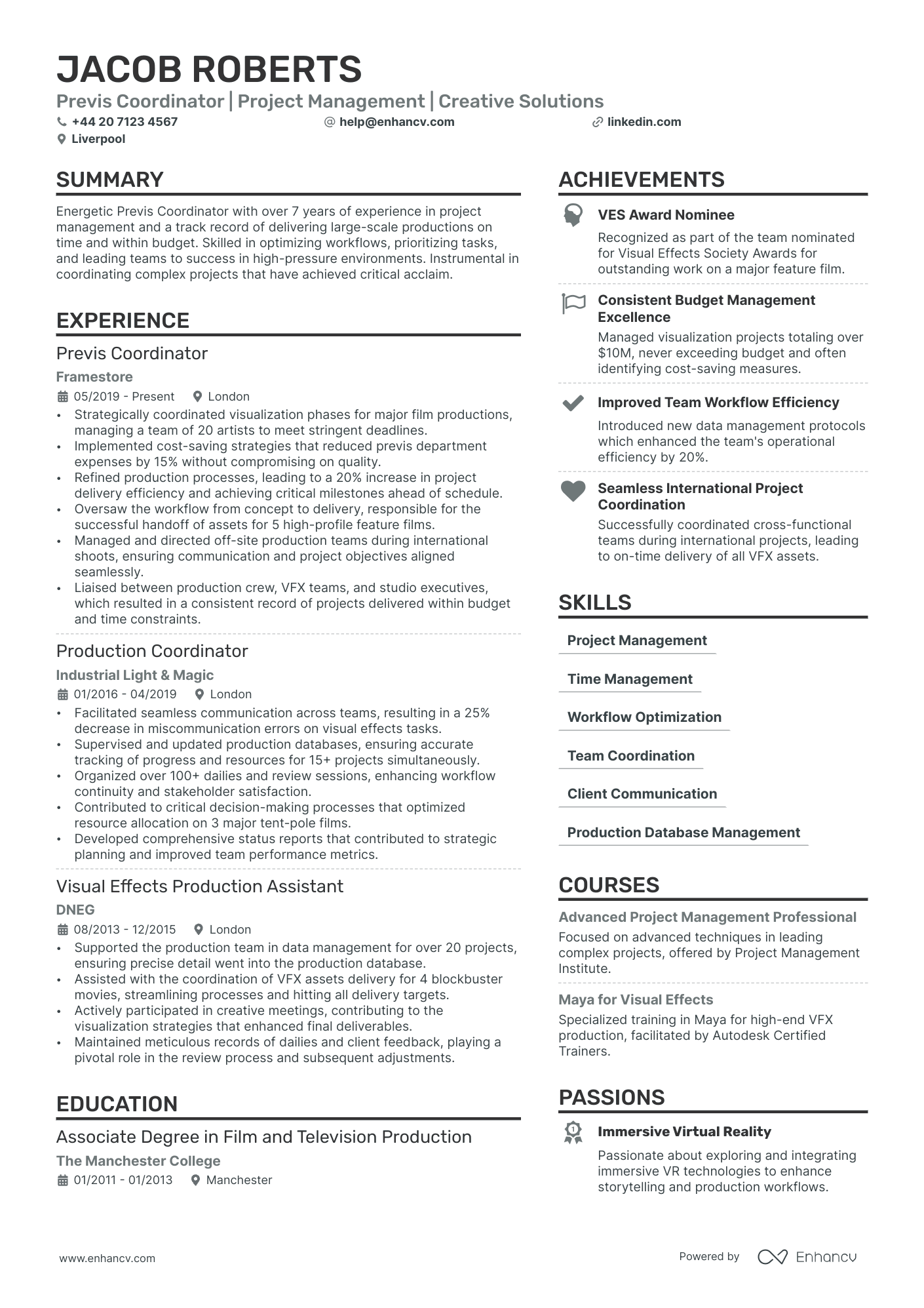
Most production coordinator CVs read like a call sheet with the names stripped out, a wall of duties any coordinator on any show could have written. The ones that earn a callback prove something narrower, that this person kept a specific production moving when it mattered.
Film and TV coordination is a trust job. A line producer hands you the travel, the budget lines, the cast movements, and the paperwork that keeps a shoot legal, so your CV has to read like someone who holds all of that without dropping a plate. If you want the fundamentals first, see how to write a CV, then lead with the productions you supported and the problems you headed off.

Key takeaways
- Lead with named productions and formats, the department you sat in, and the size of crew you coordinated.
- Coordination is a trust role, so show the budget lines, travel, and paperwork you owned, not just tasks you touched.
- Name the tools the adverts name: the scheduling and production office software, the call-sheet and movement-order workflow, the PO and petty-cash systems.
- Most UK film and TV work is freelance, booked one production at a time, so make your base, availability, and driving licence easy to find.
- Coordinators are usually made, not hired cold. If you are stepping up from runner or production assistant, show it.
- Keep it to two pages, reverse chronological, sent as a PDF unless the advert asks otherwise.
What a film and TV production coordinator CV has to prove
A production coordinator runs the production office. You are the hub between the line producer, every department, and the crew in the field, and your CV has to show you can be that hub when the day goes sideways.
That is a different job from a production coordinator on a factory floor, even though the two share a title. Recruiters in film and TV scan for the production office version, so make the setting obvious in your opening lines and across the sections of your CV.
Here is what a film and TV coordinator CV needs to evidence:
- Building and distributing call sheets, movement orders, and daily production reports.
- Booking travel, accommodation, and logistics for cast and crew, often across several locations at once.
- Raising and tracking purchase orders, petty cash, and float reconciliation against the budget.
- Managing crew paperwork, from deal memos and start forms to right-to-work checks and NDAs.
- Running the production office diary and distributing scripts, sides, and schedule changes.
- Being the calm first point of contact when a location falls through or a plan changes at short notice.
Where you sat in the chain matters too. Coordinators report to the line producer or unit production manager and hold the office together while assistant coordinators and trainees support the workload, so name who you reported to and who you directed. It tells a producer the level you have actually worked at.
Pick the four or five of those you have actually owned and build the CV around them. A recruiter should know within ten seconds which productions you coordinated and what you were trusted with.
The skills film and TV employers actually screen for
Read a stack of UK film and TV coordinator adverts and the same requirements repeat. They want the production office toolkit spelled out in the words the adverts use, and those are the hard skills to lead with.
The soft skills for this role are real and checkable. A production office runs on communication, discretion, and staying calm when the schedule collapses at 6am, so prove each one in a bullet rather than claiming it.
List only what you can stand behind. If you have run a scheduling package or a PO system, name it. If you have not yet, leave it off rather than bluff a line producer who will find out on day one.
Evidence beats a keyword list. Communication becomes "issued call sheets to a 110-person unit by 6pm every night with no reissue". Discretion becomes "handled cast contracts and unannounced casting under NDA". Budget tracking becomes "reconciled petty cash and floats weekly against a seven-figure production budget". Each line proves a skill the recruiter can picture.
Top skills for your production coordinator CV:
Call sheets and movement orders
Production scheduling software
Budget tracking and purchase orders
Travel and logistics coordination
Crew paperwork and right-to-work checks
Petty cash and float reconciliation
Production office management
Health, safety, and risk paperwork
Communication
Discretion
Composure under pressure
Organisation
Problem-solving
Teamwork
Adaptability
How the UK film and TV production market hires
Coordinator roles in UK film and TV are almost all freelance, booked one production at a time. Recent credits and a name for reliability carry more weight than a long run at a single employer.
That shapes the CV. Recent, relevant credits go near the top, your base and willingness to travel are easy to find, and every entry quietly answers the question a line producer is really asking, which is whether they can trust you with money, confidential material, and a plan that keeps changing.
| What | On a UK film and TV production coordinator CV |
|---|---|
| How you are hired | Freelance, contract by contract. Recent credits and a reliable reputation carry more weight than years at one employer. |
| Where the work sits | Production offices and studios in London and the regional hubs. Being ready to relocate for a shoot is a selling point, so state your base and how far you will travel. |
| What producers screen for | Trust with budgets and confidential material, plus evidence you kept a specific production moving when a plan changed. |
| Tools they name | Call sheets, movement orders, production scheduling and office software, and purchase-order systems. |
Studios and production companies hire on evidence and word of mouth, so references and repeat bookings matter. Make it effortless for a producer to see what you have coordinated and who would vouch for you.

What studios and production companies like to see
A production office they can trust on day one. That means recent, relevant credits at the top, formats that match the work they hire for, and concrete proof you have handled budgets, travel, and confidential material without a drama. A named referee from a recent production is worth more than a page of adjectives, so make sure a producer can find one fast.
Formatting your production coordinator CV
Keep it to two pages, reverse chronological, one column, a readable font. Line producers hire fast and read faster.
Put a short credits list near the top so the productions and formats you have coordinated are the first thing a producer sees. The detail goes lower, in the experience section.
Send a PDF for direct applications so the layout holds when someone opens it in a busy production office. Keep a Word copy for agencies, which reformat CVs into their own template. If the advert names a file type, follow it.
Applications often pass through tracking software, so keep the headings standard and the layout clean for an ATS-friendly CV. Build it from a tested layout rather than a blank page, and Enhancv's CV templates export to a clean PDF that keeps its formatting.
Is your resume good enough?
Drop your CV here or choose a file. PDF & DOCX only. Max 2MB file size.
Writing your production coordinator personal statement
Three or four sentences at the top: who you are, the formats you have coordinated, the biggest budget or crew you have been trusted with, and where you are based. Keep it concrete. See more personal statement examples if the opening line is not coming.
Skip the adjective soup every other CV uses. "Hard-working, passionate, detail-oriented" tells a line producer nothing they can check.
Lead with evidence instead:
Production coordinator personal statement example (experienced)
Production coordinator with four years across high-end TV drama and commercials, coordinating shoots of up to 110 crew on location around the UK. Owned call sheets, movement orders, and travel for cast and crew, and tracked a £1.4m production budget through weekly purchase-order and petty-cash reconciliation. Known for a calm production office when the schedule changes at dawn. Based in Manchester, available UK-wide, full clean driving licence.
Set that against the version that says everything and proves nothing:
The version to avoid
Hard-working and passionate production coordinator with excellent communication skills and a keen eye for detail. A team player who thrives in fast-paced environments and is committed to delivering results on every project.
When I read a production coordinator's personal statement, I skip the adjectives and look for three things: the formats you have coordinated, the biggest budget or crew you have been trusted with, and one line that proves you stay calm when a plan falls apart. "Passionate and detail-oriented" could describe anyone. "Rebooked travel for 40 crew overnight after a location dropped out" could only describe someone who has actually done the job.
Writing your production coordinator experience section
Give each role a dated heading, then bullets that lead with a verb and land on an outcome. For the mechanics, see work experience on a CV and a strong set of CV action verbs.
Coordination feels invisible because nothing broke, but it is measurable. Crew supported, budgets tracked, trips booked, POs raised, audits passed. Those are your CV achievements.
Tailor every application. Pull the duties and tools straight from the advert and mirror the keywords where they are true of you. Enhancv's CV tailoring feature reads the job ad and suggests the matching edits, which saves rewriting from scratch for every production.
- Coordinate the production office for high-end TV drama shoots of up to 110 crew, producing daily call sheets and movement orders for cast and crew across three UK locations
- Track a £1.4m production budget through weekly purchase-order and petty-cash reconciliation, flagging overspend to the line producer before it reaches the cost report
- Book and rebook travel and accommodation for cast and crew, cutting last-minute booking costs by 18% across the 2024 series
- Manage start forms, deal memos, and right-to-work checks for 60 freelancers, keeping the production compliant through two insurance and payroll audits

PRO TIP
Quantify the work nobody sees. A production office that ran clean is an achievement, so count it: crew supported, budget tracked, trips booked, audits passed. "Coordinated travel for 40 crew across three locations with zero missed calls" beats "responsible for travel" every time.
Listing your credits, training, and education
In film and TV, your credits do the job a degree does elsewhere. List them like a filmography: production title, format, production company, your role, and the year, most recent first.
Under training, name the screen-specific tickets producers recognise: ScreenSkills courses, a current first aid certificate, budgeting or production office training, and any safeguarding or right-to-work checks relevant to productions with children. Put the certificates on a CV where they are easy to scan.
A credit line reads cleanly when it names the essentials and nothing else. "The Long Winter (high-end TV drama, 6 x 60), Northern Light Films, Production Coordinator, 2024" tells a producer the format, the scale, the company, and your role in one glance. Group them under a clear credits heading so they are the first thing scanned.
Education sits lower and lighter. A relevant degree or a course is worth a line, but a coordinator is hired on credits and reliability, so your education section stays short.
Breaking in with no coordinator experience
Almost nobody starts as a production coordinator. The usual route runs runner, then production assistant or production secretary, then coordinator, so a first coordinator CV leans on adjacent evidence.
Mine the jobs you have already done. Office admin, events, logistics, and hospitality all carry transferable proof: diary management, booking travel, handling cash, and staying calm with a hundred moving parts. Write them in production language, and see how other first-job CVs handle a thin history.
One line moves you up the pile. If you have run the production office as a PA, say so, and name the coordinator tasks you already covered. That step up is exactly what a line producer is looking for.
Conclusion
Lead with the productions you kept moving, name the production office toolkit in the words the adverts use, and make your base and availability impossible to miss.
Pair the CV with a short cover letter that names the show you want and why, and a freelance coordinator CV starts turning credits into callbacks.
Author's take - the Enhancv team
When I read a production coordinator's personal statement, I skip the adjectives and look for three things: the formats you have coordinated, the biggest budget or crew you have been trusted with, and one line that proves you stay calm when a plan falls apart. "Passionate and detail-oriented" could describe anyone. "Rebooked travel for 40 crew overnight after a location dropped out" could only describe someone who has actually done the job.